


The world of heating and cooling has evolved remarkably over the past few decades. One of the most innovative solutions to meet the demands of modern-day climate control is the two zone mini split system. This technology optimizes home comfort and energy efficiency, making it an ideal choice for many homeowners. In this article, we delve into the details of two zone mini split systems, explaining how they work, their benefits, and key considerations for choosing the right system for your home.
What is a Two Zone Mini Split?
A two zone mini split system is a type of ductless HVAC system that allows you to control the temperature in two separate areas or "zones" of your home independently. Unlike traditional HVAC systems that rely on extensive ductwork, mini splits use an outdoor compressor unit connected to indoor air handling units (AHUs) via a simple conduit.
Key Components of a Two Zone Mini Split
- Outdoor Compressor Unit: Houses the compressor and condenser. This component is the heart of the mini split system and is placed outside the home.
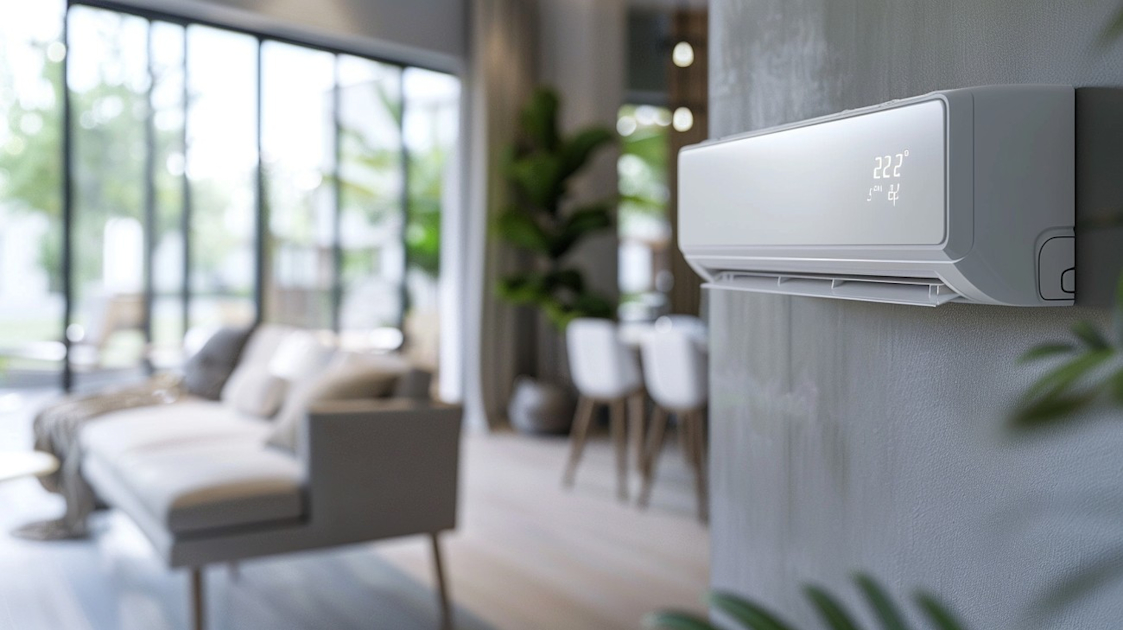
- Indoor Air Handling Units: Mounted inside the home, typically on high walls, these units are responsible for cooling or heating the designated zone.
- Conduit: Contains power cables, refrigerant tubing, suction tubing, and a condensate drain, connecting the indoor units to the outdoor compressor.
How Do Two Zone Mini Splits Work?
Two zone mini splits offer zonal control by allowing users to set different temperatures for each unit. They work by cycling refrigerant between the outdoor compressor unit and the indoor air handlers. The system achieves efficient heating and cooling by absorbing heat from the outside air and transferring it indoors, or vice versa, depending on the season.
Benefits of Two Zone Mini Split Systems
Two zone mini splits provide numerous advantages beyond traditional HVAC systems, enhancing both comfort and utility savings.
Energy Efficiency
One of the biggest draws of two zone mini splits is their energy efficiency. By allowing for temperature control in individual zones, you can reduce energy waste and potentially lower utility bills. This is achieved by:
- Targeted Heating and Cooling: Only occupied zones need conditioning, avoiding the energy expenditure of heating or cooling unused areas.
- Inverter Technology: Many modern mini splits use inverter-driven compressors, which adjust speed based on demand rather than operating at full capacity all the time.
Flexible Installation
Since two zone mini splits do not require ducts, they offer considerable flexibility in installation. This makes them suitable for:
- Retrofits in Older Homes: Ideal where adding ductwork is impractical.
- New Constructions: Easy integration into modern designs without the need for bulk ductwork.
- Space-Constrained Areas: Compact indoor units can be placed high on walls or ceilings, maximizing space usage.
Enhanced Comfort and Air Quality
Mini splits not only provide precise temperature control but may also improve indoor air quality. They allow for:
- Consistent Temperature: Minimal fluctuations and precise control make maintaining optimal comfort levels easier.
- Improved Air Filtration: Many units include advanced filtration systems that reduce dust, allergens, and other pollutants.
Installation Considerations
When considering a two zone mini split system, it’s important to understand a few key factors that can affect your choice and installation process.
Sizing the System
Proper sizing is crucial for efficiency and performance. An incorrectly sized system may result in:
- Short Cycling: A system that's too large will cycle on and off too frequently, wasting energy.
- Inadequate Cooling or Heating: A system that's too small won’t effectively maintain comfort levels.
Selecting the Right Placement
Strategic placement of air handling units is essential to maximize efficiency:
- Ensure Proper Airflow: Install units where they can distribute air evenly throughout the zone.
- Consider Sun Exposure: Avoid placing units in direct sunlight or areas with significant heat gain to minimize strain on the system.
Professional Installation
While DIY installation might seem appealing, professional installation is recommended to ensure:
- Proper Functioning: Guarantee that the system operates efficiently from the outset.
- Warranty Protection: Many manufacturers require professional installation to maintain warranty coverage.
Features to Look For
In addition to the basic components and considerations, there are several desirable features to look for when choosing a two zone mini split system:
- Smart Controls: Integrated Wi-Fi and app controls for easy temperature adjustments and scheduling.
- Quiet Operation: Low decibel ratings for both indoor and outdoor units ensure minimal disturbance.
- Energy Star Certification: Indicates compliance with US federal guidelines for energy efficiency.
Additional Options
Other optional features can enhance the usability and performance of your system:
- Multi-Stage Filtration: For improved indoor air quality.
- Dehumidification Options: Mitigate humidity in warm, muggy climates.
- Programmable Timers: Schedule temperature changes to save energy when rooms are unoccupied.
Cost and Budgeting Considerations
While two zone mini splits generally have higher upfront costs compared to traditional systems, their increased efficiency often results in energy savings that can offset the investment over time.
- Initial Investment: Consider the system purchase price, as well as installation costs.
- Long-Term Savings: Factor in potential reductions in monthly energy bills.
- Rebates and Incentives: Look for local or federal programs offering rebates for energy-efficient home upgrades.

Frequently Asked Questions about Two Zone Mini Split Systems
How does a two zone mini split system work?
A two zone mini split system, also known as a dual zone mini split, is designed to control the temperature of two separate areas or rooms using a single outdoor unit. Each zone is equipped with its own indoor air handler that is connected to the outdoor compressor through a series of refrigerant lines. This configuration allows for independent temperature settings and climate control for each zone, providing customized comfort. The outdoor unit pumps refrigerant to and from the indoor units, enabling them to either heat or cool their respective zones as needed.
Why should I consider installing a two zone mini split?
Installing a two zone mini split offers multiple advantages, particularly for homeowners looking for versatility and efficiency. One major benefit is the individualized climate control it provides, allowing family members or occupants to set different temperatures according to their preferences in respective zones. This type of system also enhances energy efficiency, as you can focus heating or cooling on occupied areas only, reducing utility bills. Moreover, two zone mini splits are typically easier to install than traditional HVAC systems and are a great choice for retrofitting, new constructions, and renovations.
Can a two zone mini split system improve energy efficiency?
Absolutely! A two zone mini split system can significantly improve energy efficiency. Unlike central HVAC systems that heat or cool an entire home uniformly, dual zone mini splits allow you to control the climate in specific areas only. This zoning capability means you can turn off or adjust the usage in unoccupied zones, reducing energy wastage. Moreover, modern mini splits come with inverter technology, which adjusts the compressor speed to maintain the desired temperature efficiently, further improving energy savings.
What are some common features of two zone mini split systems?
Two zone mini split systems come with a range of features designed to enhance comfort and convenience. Common features include remote controls, programmable thermostats, and Wi-Fi connectivity, allowing for remote adjustments via smartphone apps. Many models also offer sleep modes, which adjust the temperature throughout the night for optimum comfort, and automatic restart functions in the event of a power outage. Some advanced units provide sensors for detecting human presence, optimizing energy use by adjusting the settings when a room is unoccupied.
Can a two zone mini split system be used for both heating and cooling?
Yes, a two zone mini split system can be used for both heating and cooling. These systems are commonly equipped with heat pump technology, which allows them to reverse the refrigeration cycle, effectively providing heating in addition to cooling. This dual functionality makes them an all-season solution for climate control, offering flexibility and convenience. With a simple adjustment on the remote or thermostat, you can switch between heating and cooling operations to maintain comfortable indoor environments year-round.
How difficult is it to install a two zone mini split system?
Installing a two zone mini split system is generally less invasive and simpler than setting up traditional ducted HVAC systems, but it still requires professional expertise for optimal results. The installation involves mounting indoor air handlers, setting up the outdoor compressor, and running refrigerant lines and electrical connections between components. While manufacturers provide user manuals and DIY kits, hiring a trained HVAC technician ensures compliance with local codes, proper system sizing, and maximized performance. Proper installation is crucial for both the efficiency and longevity of the system.
Are two zone mini splits loud compared to other systems?
Two zone mini splits are known for their quiet operation, especially when compared to traditional HVAC systems. The advanced design of mini splits places the loud condenser unit outside the building, significantly reducing indoor noise levels. The indoor air handlers operate quietly, usually generating sound levels comparable to a light whisper. This makes them ideal for living spaces where noise disruption needs to be minimized, such as bedrooms and studies. Manufacturers continuously improve mini split technology, making newer models even quieter with advanced fan designs and noise-dampening features.

Exploring the Pros & Cons of Two Zone Mini Split Systems
Pros
Customized Comfort at Your Fingertips
With a two zone mini split system, you have the ability to customize the climate in different areas of your home. Imagine you’re in the living room, enjoying a movie with a cozy blanket, and you realize those fluffy socks are an absolute must. Meanwhile, your family member could be cooking in the kitchen, appreciating a cooler temperature. With dual zones, you can set one room to a toasty warmth while keeping the other refreshingly cool. It offers personalized comfort for everyone under the same roof!
Energy Efficiency That Saves You Pennies
These nifty systems can also help your wallet breathe a little easier. Instead of heating or cooling your entire home, you’re only using energy in the zones that need it. Plus, many models are designed with advanced technology to be super energy efficient, which means a lighter electricity bill for you. It’s an energy-smart choice that doesn’t compromise comfort.
Easy Installation for Less Stress
Let’s talk about installation—usually, it’s a breeze! Unlike central HVAC systems that can require cumbersome ductwork, a two zone mini split can often be installed without a hitch and without tearing apart your home. You’ll typically face less hassle, fewer costs, and a quicker setup.
Whisper-Quiet Operations
Say goodbye to the days of loud, clunky air conditioning units. Mini splits are known for their whisper-quiet operation. You’ll barely notice they’re there, letting you enjoy a peaceful environment without any undue noise interrupting your serenity or sleep.
Control at Your Convenience
Modern two zone mini split systems often come equipped with smart controls. You can easily adjust your system from a remote or even through a smartphone app from anywhere in the world! That means you can arrive home to an environment already set to your preferred comfort level. It’s about convenience right at your fingertips.
Cons
Initial Cost Considerations
Despite their long-term energy savings, mini splits might have you gulping at first glance of their price tag. The upfront cost for both the units and professional installation could be steeper compared to other more conventional systems. It’s an investment that requires weighing your current budget against future energy savings.
Aesthetic Nuances to Factor In
While functionality is key, aesthetics can't be ignored. Some folks aren’t fans of seeing the air handlers mounted on their walls; it might interfere with your meticulously planned interior decor. Although there are ways to integrate them rather seamlessly, it’s something to consider if wall units don’t quite fit your aesthetic vision.
Regular Maintenance Is Essential
Maintenance should be on your radar, much like any HVAC system. Filters need cleaning, and systems need periodic check-ups to ensure everything is humming along efficiently. Unlike ductless modes which might offer a set-it-and-forget-it vibe, you’ll need a regular maintenance plan to keep everything running smoothly.
Limited Heating Capacity in Colder Climates
If you reside in an area where winter reigns supreme with particularly frigid temperatures, a two zone mini split might not be your best sole heating source. While they provide heating solutions, their efficiency can drop when faced with extremely low temperatures, necessitating supplementary heating options.
Professional Installation Required
Going DIY on the installation? Not this time. Installing mini split systems typically requires professional expertise, which means additional costs and coordinating schedules with HVAC professionals. It’s a job best left to the experts who know the ins and outs of refrigerant handling and electrical requirements.

Final Thoughts
A two zone mini split system offers an efficient way to maintain comfort in your home while minimizing energy costs. By allowing you to control the temperature in different areas, it not only enhances your quality of life but also aligns with a more sustainable approach to heating and cooling. Whether you're looking to target specific rooms or need a solution for a multi-story layout, this system adapts to your needs perfectly.
If you're interested in exploring how a two zone mini split can work in your space, we’d love to help. Serving homeowners in Sacramento, CA, we at AirFlow Heating & Air are here to guide you through your options and ensure you make the best choice for your home. Don’t hesitate to reach out to us for a consultation or to request a free estimate—we're ready to assist you!


