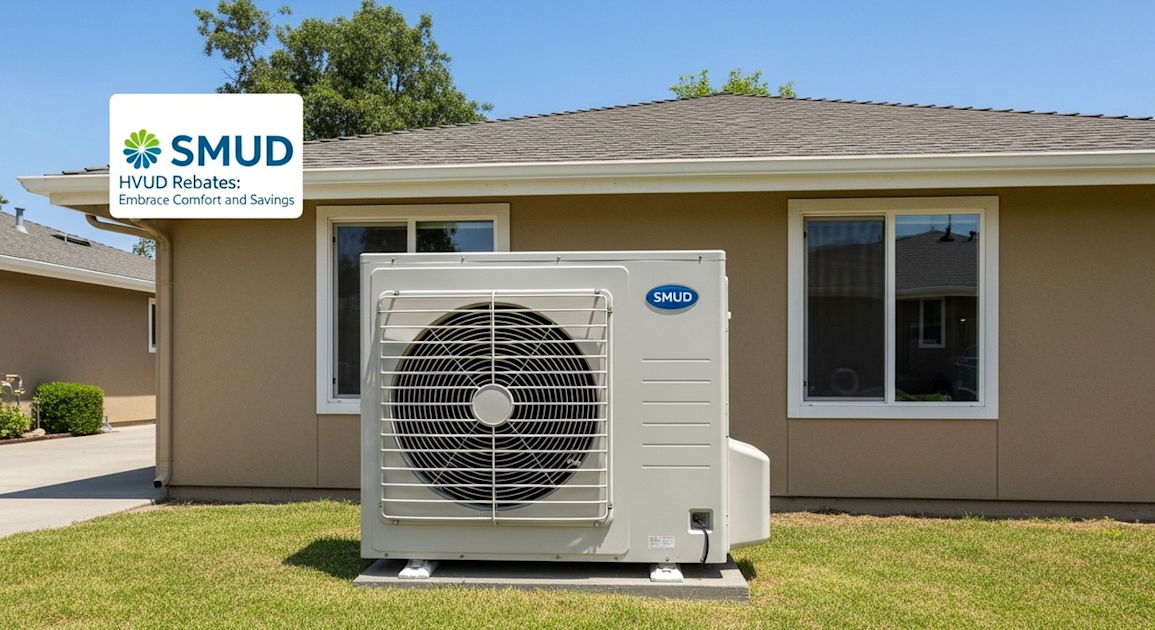


In the world of home energy efficiency, few things are as exciting as rebates that save both energy and money. If you're a Sacramento resident, you may be familiar with the Sacramento Municipal Utility District (SMUD). Known for its innovative approaches in renewable energy, SMUD also offers an array of rebates, particularly for HVAC systems. This blog post will delve into the juicy details of SMUD's HVAC rebates, how you can avail them, and why they make a difference to your energy bills and environmental footprint.
What are SMUD HVAC Rebates?
SMUD HVAC rebates are financial incentives designed to encourage homeowners and businesses to upgrade to energy-efficient heating, ventilation, and air conditioning systems. Given how much of your household energy consumption is dedicated to heating and cooling, optimizing this particular set of systems significantly impacts your energy usage and costs.
Why HVAC Systems Matter
Before diving into the specifics of SMUD rebates, let's briefly discuss why HVAC systems are crucial. Heating and cooling account for nearly half of the energy consumption in an average U.S. home. Upgrading older, inefficient units not only reduces energy consumption but also improves indoor air quality and comfort.
Benefits of SMUD HVAC Rebates
SMUD HVAC rebates are more than just financial incentives. They're a ticket to a host of benefits both immediate and long-term.
- Cost Savings: Rebates lower the upfront costs of purchasing new HVAC systems. Additionally, efficient systems reduce monthly energy bills.
- Improved Efficiency: Modern HVAC systems are markedly more efficient than those installed even ten years ago, thanks to technological advancements.
- Environmental Impact: Energy-efficient systems reduce carbon footprints, aiding in the fight against climate change.
- Increased Home Value: Upgrading to new HVAC systems can enhance your property's value.
How to Qualify for SMUD HVAC Rebates
Qualifying for SMUD HVAC rebates involves meeting several requirements, which are crafted to ensure that the benefits accrue to responsible and eligible installations.
Eligibility Criteria
- Residency: You must be a SMUD customer within Sacramento County.
- System Type: Only certain HVAC models and types qualify for rebates.
- Professional Installation: Systems must be installed by a licensed contractor.
Steps to Apply
- Choose the Right System: Ensure your HVAC choice meets SMUD's qualification criteria.
- Hire Professional Services: Use SMUD-approved contractors for installation.
- Submit Required Documentation: You'll need to provide invoices, proof of installation, and completed rebate forms post-installation.
Different Types of HVAC Systems Eligible
SMUD has laid out specific guidelines on the types of HVAC systems that qualify for rebates. Here's a look at the classes of devices eligible for these rebates:
- Heat Pumps: Known for their energy efficiency, particularly in milder climates. SMUD offers substantial rebates for high-efficiency models.
- Air Conditioners: High-efficiency air conditioners are vital in the Sacramento heat.
- Whole-House Fans: Designed to improve airflow efficiency, these fans are often used in conjunction with other systems.
Available HVAC Rebates from SMUD
Understanding the various rebates on offer helps making a sound financial decision.
- Heat Pump Water Heaters: Receive up to $3,000 in rebates.
- Smart Thermostats: Get rebates up to $50.
- Central Air Conditioners: Rebates can go as high as $500 for upgrading to a high-efficiency model.
Tips for Maximizing Your HVAC Efficiency
While SMUD HVAC rebates cover a fraction of the journey toward energy efficiency, several other strategies can maximize your new system's performance:
Regular Maintenance: Keep your systems in top shape with routine check-ups.
Insulation: Ensure your home is well-insulated to prevent energy loss.
Smart Thermostat: Utilize programmable settings to optimize energy use.
Duct Sealing: Sealing ducts can improve system efficiency by preventing air leaks.
Air Filters: Replace air filters regularly to maintain optimal airflow.
Why Choose SMUD Rebates?
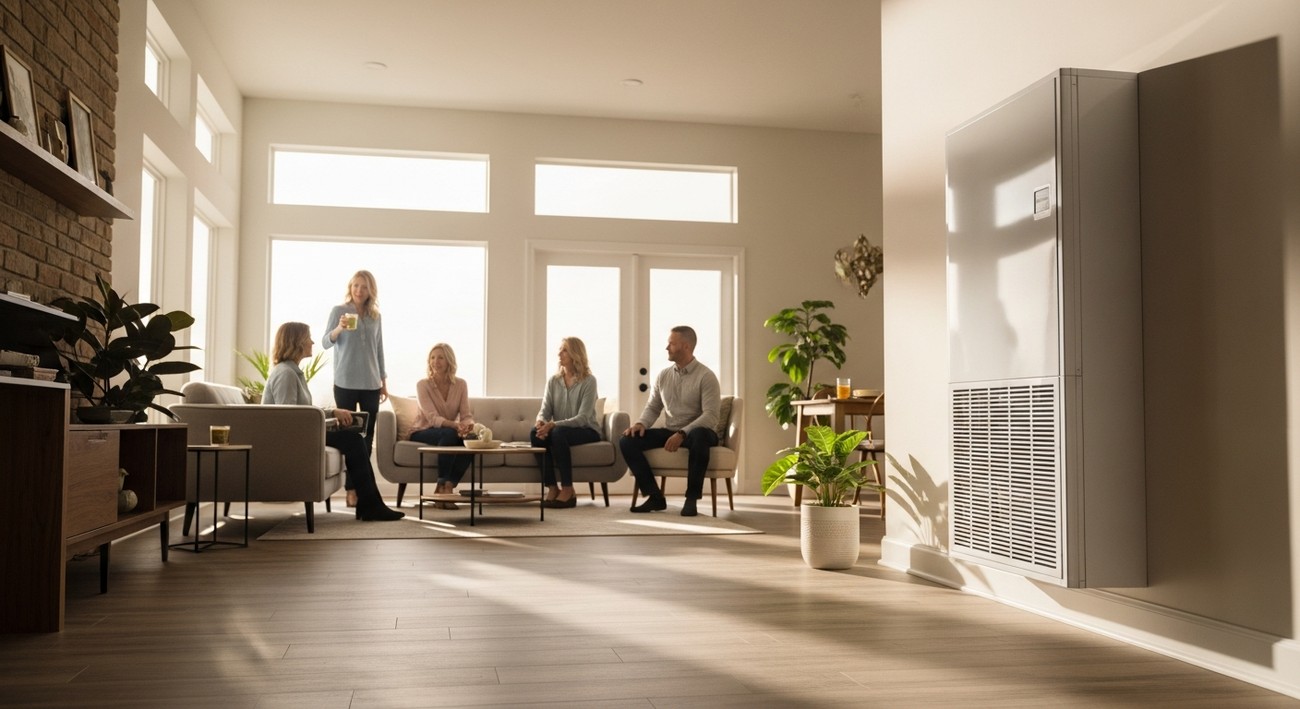
Numerous energy companies offer rebates, but SMUD stands out due to its commitment to renewable energy and community engagement. Their locally-focused initiatives ensure that residents of Sacramento receive tailored advice and genuine support in greening their homes.
SMUD HVAC Rebates FAQ
What are the benefits of SMUD HVAC rebates for homeowners?
SMUD HVAC rebates offer significant financial incentives to homeowners in the Sacramento area looking to upgrade their heating, ventilation, and air conditioning systems. By taking advantage of these rebates, homeowners can reduce the upfront costs associated with purchasing high-efficiency equipment. This drives increased energy savings and lowers electricity bills in the long run. Additionally, using energy-efficient HVAC systems contributes to environmental sustainability by reducing overall energy consumption and greenhouse gas emissions.
How do I apply for SMUD HVAC rebates?
Applying for SMUD HVAC rebates is a straightforward process. First, homeowners should ensure that their new HVAC system qualifies for the rebate by checking the specific requirements and participating contractor lists provided by SMUD. Once you've selected a qualifying unit and contractor, complete the installation job and ensure all necessary documentation is collected. Homeowners can then fill out the rebate application form available on SMUD’s website and submit it, along with the required documents, such as purchase invoices and proof of installation. The rebate will typically be credited to your SMUD account after processing.
How much can I save with SMUD HVAC rebates?
The savings from SMUD HVAC rebates can vary, depending on the type and efficiency of the HVAC system you choose. Rebates can range from a few hundred to several thousand dollars, significantly offsetting the cost of equipment and installation. Furthermore, as energy-efficient models consume less power, you can expect to see a reduction in your monthly electricity bills, multiplying your savings over time.
Are there specific HVAC systems that qualify for SMUD rebates?
Yes, SMUD has specific criteria for which HVAC systems are eligible for rebates. Generally, these criteria include high-efficiency models that meet or exceed ENERGY STAR standards. Typically eligible systems include high-efficiency air conditioners, heat pumps, and ductless mini-split systems. It's important for homeowners to verify the eligibility of their chosen system before purchase and installation to ensure they qualify for SMUD HVAC rebates. The full list of qualifying products can usually be found on SMUD’s website or through a participating contractor.
Can businesses also benefit from SMUD HVAC rebates?
Businesses within the SMUD service area can indeed benefit from HVAC rebates, though the program might differ from residential offerings. SMUD provides several incentive programs tailored to commercial and industrial customers, encouraging them to adopt energy-efficient technologies. Business owners should check SMUD's commercial rebate programs for details on eligible equipment and how to apply, keeping business sustainability and operation cost-reduction in focus.
Are SMUD HVAC rebates available for rental properties?
Rental property owners can apply for SMUD HVAC rebates if the property is situated within the SMUD service area and meets all other program requirements. If you’re a landlord, upgrading your HVAC systems not only provides a rebate benefit but can also increase the property’s appeal to tenants by offering improved comfort with lower energy costs. It’s important to work with a participating contractor to ensure eligibility and proper documentation, facilitating an easy rebate process.
Do I need to use a specific contractor for SMUD HVAC rebates?
To qualify for SMUD HVAC rebates, it’s essential to use a contractor who participates in the rebate program and is familiar with its requirements. SMUD maintains a list of approved contractors who are vetted for quality and who understand the technical specifications needed for compliance. These approved contractors will help ensure your installation is eligible for rebates and meets all necessary standards, providing peace of mind and a smoother rebate application process.
What documentation is required for applying to SMUD HVAC rebates?
To apply for SMUD HVAC rebates, homeowners need to provide several pieces of documentation. This typically includes the completed rebate application form, proof of purchase such as an itemized paid invoice, and proof of installation from the contractor. Additional documentation may include equipment model and serial numbers, AHRI certificate of product ratings, and energy efficiency ratings. Gathering and submitting this documentation accurately helps expedite the processing of your rebate application.
How long does it take to receive a SMUD HVAC rebate after applying?
After submitting your application for a SMUD HVAC rebate, the processing and approval can take anywhere from several weeks to a few months, depending on the volume of applications SMUD is handling. Once your rebate is approved, the specified amount will usually be credited directly to your SMUD account, thus appearing as a credit on your subsequent energy bills. It’s advisable to keep track of your application status and reach out to SMUD customer service if any delays occur.
Can I combine SMUD HVAC rebates with other discounts or incentives?
In many cases, SMUD HVAC rebates can be combined with other local, state, or federal incentives, which further promotes the adoption of energy-efficient technologies. You might qualify for tax credits or additional rebates from manufacturers or other local programs, enhancing your savings both immediately and over the life span of your new HVAC system. Always check each program's guidelines to ensure compatibility before proceeding with multiple rebate applications.
Are there deadlines for applying for SMUD HVAC rebates?
Yes, SMUD HVAC rebate programs often have specific deadlines that must be met to qualify. These deadlines can relate to when the purchase and installation must occur and when rebate applications must be submitted. It's crucial for homeowners to stay informed about current deadlines by regularly checking SMUD's website or consulting with participating contractors. Meeting these deadlines ensures you don't forfeit potential rebate benefits due to administrative timing oversights.

Cost Breakdown
Typical Price Ranges
When it comes to SMUD HVAC rebates, typical price ranges for HVAC systems can vary significantly based on the type and size of the system you opt for. Generally, you can expect to pay anywhere from $3,000 to $7,500 for a standard HVAC unit. Higher-end or specialized systems can tip the scale at around $10,000 or even more. Keep in mind that these costs cover the system itself and standard installation, but they don't take into account potential rebates and incentives that could ease the financial burden.
Factors That Affect Cost
Several factors can impact the cost of your HVAC system and installation. Firstly, the size of your home plays a critical role. Larger homes require more robust systems, which are typically more expensive. The brand and model of the HVAC unit also matter—a well-known brand usually comes with a higher price tag.
Moreover, the efficiency rating impacts costs, both upfront and in the long run. Higher SEER (Seasonal Energy Efficiency Ratio) units often cost more initially but save money over time through reduced energy bills. The complexity of the installation, including ductwork modifications or electrical upgrades, can also add to the overall price. And don't forget geographic location—installation costs might be higher in urban areas compared to rural ones.
Cost Comparison (Budget vs. Premium Options)
Choosing between budget and premium options is another pivotal consideration. Budget systems, which can range from $3,000 to $5,000, typically offer basic heating and cooling functionalities without any advanced features. They might have a lower SEER rating but can still be a viable option if you're looking to conserve upfront dollars.
On the flip side, premium systems, priced between $7,000 and $10,000, include more features such as variable speed motors, smart thermostat compatibility, and higher SEER ratings. While these options are expensive upfront, they tend to be more energy-efficient and could lead to more significant savings over time, especially when combined with SMUD rebates.
Hidden Costs to Consider
Before you commit to a new HVAC system, be aware of hidden costs that may arise. Installation is a major one—unforeseen complications can lead to additional charges. You should also consider the cost of permits, which might be required by your local jurisdiction and can add a few hundred dollars to your total cost.
Then there’s maintenance and service costs. Regular maintenance, which keeps your system running efficiently, can add a few hundred dollars annually. If your installation requires new ductwork, or if modifications are needed, these could cost an additional $1,000-$3,000 on top of your basic installation.
Ways to Save Money
Luckily, there are several strategies to save money on your HVAC system. First, take full advantage of SMUD HVAC rebates. These rebates can significantly reduce upfront costs, depending on the efficiency and type of system you choose. Look for systems with higher SEER ratings that qualify for larger rebates. Timing your purchase wisely can also help. Some dealers offer off-season discounts on units and installations. Consulting multiple vendors for quotes ensures you get the best price and never settle for the first offer. Another great tip is to consider financing options. Many HVAC companies offer financing plans with low or no interest rates, allowing you to spread the cost over time without paying a hefty amount upfront. Also, exploring utility company financing programs that might be available can help leverage better financial terms.
Standards & Regulations
Relevant Building Codes
In California, where SMUD operates, residential and commercial buildings must adhere to Title 24 of the California Code of Regulations. This includes energy efficiency standards that HVAC systems must meet or exceed for rebates eligibility. Title 24 ensures that HVAC installations contribute to energy conservation and reduce financial burdens on operators in the long run.
Legal Requirements
Legal requirements for participating in SMUD rebate programs are primarily tied to eligibility criteria. These include being a SMUD customer and having the new HVAC system meet specific efficiency levels typically outlined by programs like Energy Star. Additionally, it is required that the installations are performed by licensed contractors to qualify. In California, contractors should hold a valid C-20 HVAC contractor license.
Industry Standards
The American Society of Heating, Refrigerating and Air-Conditioning Engineers (ASHRAE) sets many of the industry standards that HVAC systems are designed to meet. While ASHRAE standards are not legally binding, they are often referenced in building codes and regulations. SMUD rebates may require compliance with certain ASHRAE standards to align with their energy efficiency goals.
Permit Requirements
Before you rush into installing a new HVAC system, check your local jurisdiction's permit requirements. In the Sacramento area, a permit is often necessary for HVAC installations. These can typically be obtained through city or county building departments. Permits ensure the installation meets safety standards and local building codes. Failure to secure the appropriate permits can lead to penalties and may disqualify you from receiving rebates.
Compliance Considerations
To qualify for SMUD HVAC rebates, compliance with both federal and state regulations is necessary. Systems must meet the energy efficiency criteria outlined, often linked to the Seasonal Energy Efficiency Ratio (SEER) ratings for coolers and Annual Fuel Utilization Efficiency (AFUE) ratings for heaters. Additionally, maintaining documentation of purchase, installation, and system specifications will be critical in the application process for rebates.
Warranty/Insurance Implications
The choice of an HVAC system shouldn't just hinge on rebates—consider the long-term implications for warranty and insurance too. Proper installation by a licensed professional who follows code requirements and industry standards will often validate equipment warranties and can also affect insurance coverage. Most manufacturers require a professional installation to honor their warranty terms, and insurance providers may require compliance evidence for coverage eligibility. It’s essential to review the HVAC unit's warranty details beforehand and ensure that installation and application for rebates are correctly documented. Also, commercial or residential property insurance may have specific requirements regarding HVAC systems, and maintaining compliance can ensure these requirements are met.
Final Thoughts
We hope this guide on SMUD HVAC rebates helps you make the most of the energy-saving options available to you. By taking advantage of these rebates, you can not only lower your upfront costs but also enhance the comfort and efficiency of your home. Whether you're looking to upgrade your HVAC system or simply want to improve your indoor air quality, it’s worth exploring these opportunities.
If you're considering a new system or need assistance navigating the rebate process, we’re here for you. As trusted local experts at AirFlow Heating & Air, we proudly serve homeowners in Sacramento, CA, and are ready to help you find the best solutions for your needs. Reach out to us today to schedule a consultation or request a free estimate—let's make your home more comfortable and energy-efficient together!


