
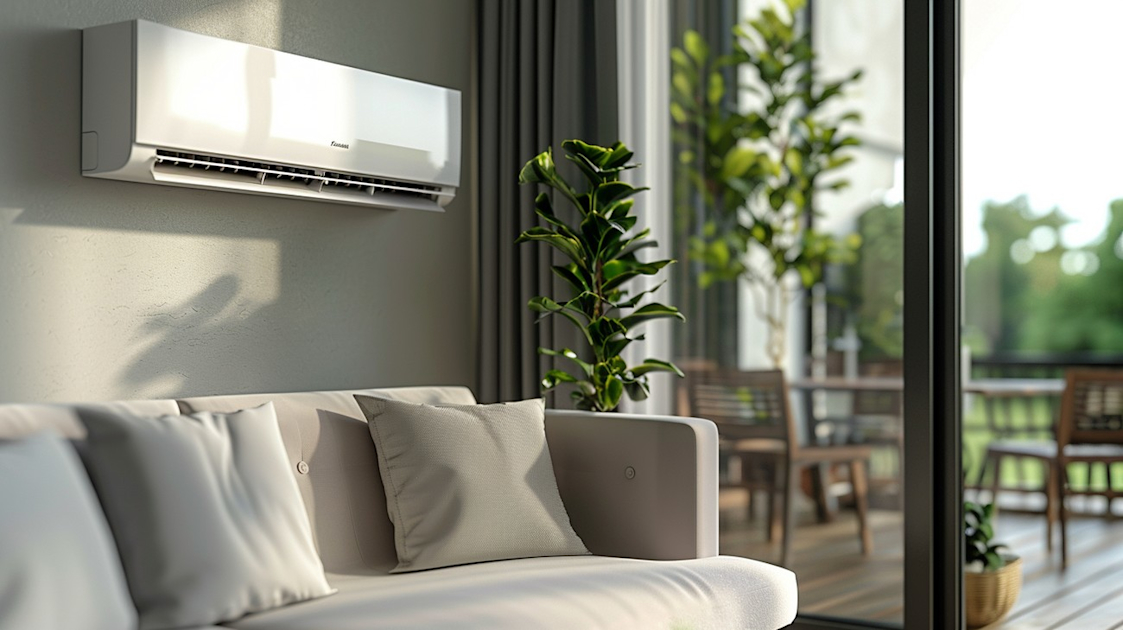


In the quest for optimal home comfort, especially during the sweltering heat of summer, many homeowners find themselves deliberating over the ideal cooling solution. Single room AC systems have emerged as a popular choice, providing efficient and localized cooling solutions without the hefty price tag or complex installation processes of centralized systems. This comprehensive guide dives into everything you need to know about single room air conditioning systems, covering their types, benefits, installation, maintenance, and more.
What is a Single Room AC System?
A single room AC system is a self-contained unit designed to cool a solitary room or confined space. Unlike central air conditioning systems that cool entire buildings, single room units target specific areas, offering personalized comfort. These systems are an excellent option for renters, small homeowners, or anyone needing to add extra cooling power to a particular room.
Types of Single Room AC Units
Single room AC systems are available in various configurations, each catering to different needs and preferences. Let's explore the most common types:
Window AC Units
Window air conditioners are perhaps the most traditional and recognizable form of single room air conditioning. These units are installed directly in a window, drawing in outside air and expelling warm air externally.
Portable AC Units
Portable air conditioners offer the advantage of mobility. These units can be moved from room to room as needed, allowing more flexibility. They typically come with an exhaust hose that needs to be vented out of a window to expel hot air.
Mini-Split Systems
Mini-split systems combine the benefits of a fixed AC installation with the flexibility of a single-room focus. These split systems include an outdoor compressor and an indoor air handling unit, connected by a conduit. They are efficient and often quieter than other types but typically require professional installation.
Benefits of Single Room AC Systems
Choosing a single room AC system comes with unique advantages that stand out in the context of whole-home solutions. Here's how:
- Cost-Effective: These systems are significantly more affordable than central air conditioning units, both in terms of initial purchase and ongoing electricity costs.
- Energy Efficient: Cooling only the rooms you use most frequently conserves energy, lowering your utility bills and reducing your environmental footprint.
- Ease of Installation: Many single room units, particularly window and portable models, are designed for easy DIY installation, saving on professional service costs.
- Space-Saving: These units are generally compact, making them ideal for smaller spaces where every square inch counts.
Selecting the Right Single Room AC
Selecting the appropriate single room air conditioner involves considering some critical factors to ensure optimal comfort and efficiency. Here are the three steps to help you make the right choice:
Determine the Room Size: Measure the room to determine the square footage. Most AC units provide information regarding the amount of space they can effectively cool. As a rule of thumb, a unit delivering 5,000 BTUs can cool 100 to 150 square feet efficiently.
Consider Energy Efficiency: Look for units with a high Energy Efficiency Ratio (EER). Models with an Energy Star rating are designed to consume less electricity, easing the burden on both the environment and your wallet.
Evaluate Features: Modern single room AC units come loaded with features like timers, digital thermostats, remote controls, sleep modes, and more. Prioritize the functionalities that match your lifestyle and preferences.
Installation Tips for Single Room AC
Setting up your single room AC correctly is paramount for ensuring both safety and efficacy. Here's how to approach installation based on the type of unit:
Window Units: Secure the unit in place with installation brackets and ensure that the window frame is well-sealed to prevent air leaks.
Portable Units: Attach the exhaust hose to a nearby window kit. It's crucial to situate the unit near an outlet and a suitable window.
Mini-Split Systems: These require professional expertise for installation due to the complexity of connecting indoor and outdoor components.
Maintenance Tips for Longevity
Regular maintenance of your single room AC unit can enhance its lifespan, efficiency, and performance. Here are some tips:
Clean or Replace Filters: Dirty filters can suffocate your AC unit, forcing it to work harder. Check and clean filters every month; replace them if necessary.
Check the Coils: Clean the evaporator and condenser coils to maintain proper heat absorption and dissipation.
Inspect the Seals: Examine the seals around window units to prevent cool air from escaping, thus maintaining efficiency.
Schedule Professional Checkups: Annual professional maintenance can help identify and rectify potential issues before they escalate.
Boost Efficiency with Smart Usage
Making smart usage decisions can further enhance the efficiency of your single room AC unit. Consider these practices:
Use in Cooler Periods: Run your AC during cooler times of the day, like mornings and evenings, to reduce energy usage.
Supplement with Fans: Ceiling or oscillating fans can help distribute cool air more evenly throughout the room.
Temperature Management: Keep your thermostat at the highest comfortable setting, as each degree lower increases energy consumption.
Single Room AC System FAQ
How does a single room AC system differ from a central air system?
A single room AC system, often referred to as a window air conditioner or a portable air conditioning unit, is designed to cool just one room or a specific area within a space. Unlike central air systems that distribute cool air throughout an entire building, single room AC systems are compact and typically cost less to install and operate. They do not require extensive ductwork and can be an excellent solution for renters or homeowners seeking to cool a particular room, like a bedroom or office.
Can I install a single room AC system myself?
Yes, you can generally install a single room AC system by yourself, especially if it is a window or portable unit. Window AC units require proper support in the window frame and secure sealing around the edges to prevent air leakage. Portable air conditioning units are even easier to set up, as they typically involve attaching an exhaust hose to a window kit. Regardless of the type, always follow the manufacturer's installation instructions carefully to ensure safety and efficiency.
What are the energy efficiency considerations of a single room air conditioner?
When evaluating the energy efficiency of a single room air conditioner, look for the Energy Efficiency Ratio (EER) and the Seasonal Energy Efficiency Ratio (SEER). A higher ratio indicates a more energy-efficient unit. Additionally, selecting an appropriately sized system for the room is crucial; an oversized unit may waste energy, while an undersized one may struggle to cool the space effectively. Energy Star-rated models often offer better efficiency and can save on electricity costs over time.
How do I maintain a single room AC system to ensure its longevity?
Regular maintenance is essential for the longevity of a single room AC system. Clean or replace the air filters every one to three months, depending on usage. Dust and debris can accumulate on the coils, so periodically clean them with a soft brush or vacuum. Ensure the drainage system is clear and functioning to prevent water damage or mold growth. Checking the seals around window-installed units will also help maintain efficiency by preventing cool air from escaping.
Are there specific models of single room air conditioners that are quieter than others?
Yes, noise levels can vary significantly between different models of single room air conditioners. Units designed with a dual-motor setup or those labeled as "quiet" models typically produce less noise. Portable air conditioners often operate more quietly compared to window units due to their design. Checking the decibel (dB) rating on the product specification can provide insight into its operational noise level. Always check customer reviews and expert ratings for noise performance before purchasing.
Can a single room AC system be used in homes with heating systems?
Absolutely, a single room AC system can easily complement existing heating systems. During the warmer months, you can utilize the AC unit to cool down specific areas, while relying on your primary heating system during the colder months. Some advanced models even offer dual functionality, providing both cooling and heating options, making them useful year-round. This flexibility ensures that you can maintain comfortable temperatures in any season without needing to overhaul existing HVAC systems.
How does a portable single room AC system vent the hot air?
A portable single room AC system typically vents hot air outside the room through an exhaust hose. This hose is connected to a window kit, which maintains a secure passage for the heat to escape without allowing outdoor air to seep in. The exhaust might also use a ceiling or wall vent, depending on the unit design and room arrangement. Ensuring a good seal around the window or alternative vent space is important to maximize the unit’s cooling efficiency.
What size single room AC system should I choose for my space?
Choosing the right size for a single room AC system depends on the square footage of the room you intend to cool. Generally, you'll need about 20 British Thermal Units (BTUs) per square foot of living space. Measure the room and match this to the air conditioner's BTU rating, with adjustments for factors like high ceilings, sunny exposures, or rooms with multiple windows. Selecting the correct size ensures efficiency and comfort, preventing the system from being overworked or underutilized.
Are there environmentally friendly options for single room air conditioners?
Yes, you can find environmentally friendly single room air conditioners that use advanced refrigerant technologies with lower global warming potential (GWP). These systems often incorporate eco modes that reduce energy consumption by adjusting fan speeds and temperature settings automatically. Additionally, selecting an Energy Star-certified model contributes to reduced energy usage, aligning with environmental conservation goals. Always verify the eco-credentials of an AC unit through its specifications and certifications.
Exploring the Ups and Downs of Single Room AC Systems
Pros
Energy Efficiency
Single room AC systems are champs when it comes to energy efficiency. Because you're cooling just one room rather than an entire house, you're using less energy overall. It's a savvy way to keep comfortable without a skyrocketing utility bill.
Cost-Effective Solutions
Investing in a single room AC can be much easier on the wallet compared to centralized systems. If you’re on a budget or simply don’t want to shell out for whole-home cooling, this approach provides a real bang for your buck.
Easy Installation
These units are often a breeze to install. Whether it's a window unit or a portable option, the setup is typically straightforward. You can often skip the professional install service, saving even more money. Just make sure you carefully read those instructions!
Flexibility and Mobility
Speaking of portability, many single room ACs can easily move from one place to another. This is fantastic for renters or for people who enjoy rearranging their living spaces. You can cool whichever room you're in the mood to chill in.
Localized Comfort
These systems provide focused cooling power right where you need it. If you have a favorite room — maybe your bedroom, office, or living room — you can tailor your comfort to those spaces without worrying about the less-used areas of your home.
Great for Retrofits
In older homes or buildings without existing ductwork, single room units are a solid fit. They add cooling capabilities without the costly and invasive installation of ducts, making them a practical alternative.
Cons
Limited Coverage
The elephant in the room: single room AC systems cool one room at a time. If you have a large home or multiple spaces that need cooling, this could mean limitations. You might find yourself needing multiple units, which can offset some of the cost benefits.
Noise Levels
These units can be noisy. While newer models have improved over the years, sound levels can be an issue, particularly for light sleepers or during quiet moments. It's always a good idea to test them out or read sound ratings before purchasing.
Aesthetic Challenges
Let's face it, not all AC units are designed with aesthetics in mind. A bulky window unit can disrupt the façade of your home, and portable units often require a window exhaust, which might leave little room for decorative or design elements.
Maintenance Requirements
Though relatively simple to maintain, these units do require regular care. The filters need cleaning, and the units themselves can develop condensation that must be managed to prevent mold or damage.
Temperature Fluctuations
Single room ACs can create temperature imbalances, especially if the cooled room is adjacent to warmer areas. If you have several occupants with different preferences, meeting everyone's comfort needs may become a challenge.
Short Lifespan
In comparison to centralized systems, single room units might have a shorter lifespan. It's important to weigh the initial savings against potential replacement costs a few years down the line.
Final Thoughts
Choosing the right climate control for your specific needs can make a world of difference, and that’s where a single room ac system shines. These systems are not only cost-effective but also incredibly efficient for cooling individual spaces, making them a great option for homeowners in Sacramento, CA, who want to enhance comfort without the complexity of central air systems.
If you're considering upgrading your cooling setup or want to learn more about the benefits of a single room ac system, we at AirFlow Heating & Air are here to help. Our team of local experts is ready to guide you through the options that best fit your lifestyle and needs. Don’t hesitate to reach out for a consultation or a free estimate; we’re excited to make your space more comfortable!


