
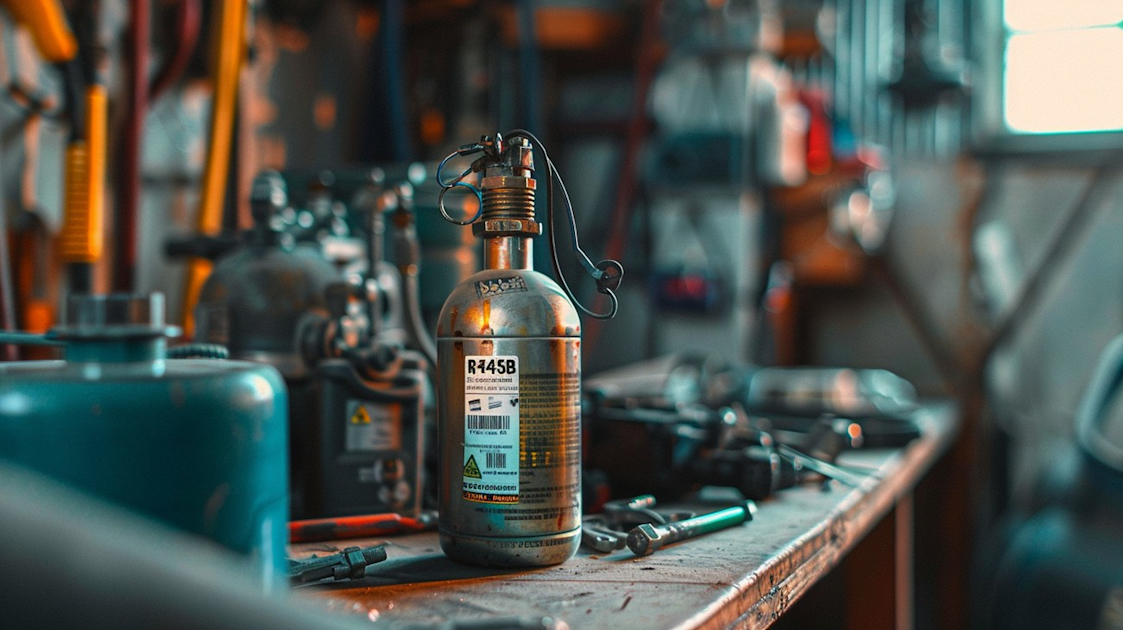


As the world continues its search for eco-friendly alternatives to traditional refrigerants, R454B has emerged as a promising solution in the HVAC industry. In this comprehensive guide, we are diving deep into the ins and outs of R454B refrigerant. From its composition and benefits to its application in today's cooling systems, we've got it all covered.
What is R454B Refrigerant?
R454B, also known under the brand name Chemours Opteon™ XL41, is a hydrofluoroolefin (HFO) blend developed as a low global warming potential (GWP) alternative to R410A, a widely used refrigerant in air conditioning systems. It is a mix of two components: 68.9% R32 and 31.1% R1234yf. This next-generation refrigerant is designed to reduce environmental impact while maintaining efficiency and performance in various HVAC applications.
Environmental Impact: A Greener Choice
Reducing our carbon footprint has become a primary focus in developing new refrigerants. R454B plays a significant role in this shift due to its low global warming potential.
- GWP: R454B has a GWP of 466, which is significantly lower than R410A, with a GWP of 2088. This reduction leads to a considerable decrease in the refrigerant's contribution to global warming.
- Ozone Depletion Potential (ODP): Like its predecessor R410A, R454B has an ODP of zero, meaning it doesn’t deplete the ozone layer.
Performance Efficiency
When considering a refrigerant swap, performance is a crucial factor. Fortunately, R454B maintains high efficiency comparable to R410A.
- Energy Efficiency: R454B is designed to provide comparable, if not superior, energy efficiency due to its thermodynamic properties, leading to substantial utility savings for consumers.
- Capacity Matching: The refrigerant allows for easier adjustments of existing systems due to its similar capacity to R410A, minimizing the need for significant redesign or retrofitting.
Safety Considerations
Safety is paramount in selecting and implementing a refrigerant in any system.
- Flammability: R454B is classified as an A2L refrigerant, indicating mild flammability. Though there has been an increased emphasis on training and handling practices, the A2L classification is manageable with proper precautions.
- Usage Regulations: As newer standards and regulations emerge, professionals in the HVAC industry are encouraged to update their knowledge to ensure compliance, particularly with the adaptability of R454B in present and future systems.
Retrofits and New Applications
The implementation of R454B is versatile, suiting both retrofits and new systems.
- Retrofits: For existing systems using R410A, modifying to accommodate R454B is relatively straightforward, given the similar pressure characteristics, though technical expertise is recommended to ensure system compatibility and efficiency.
- New Installations: In new systems, R454B can be optimized for performance right from the start, offering a more environmentally considerate product offering.
Implementing R454B in HVAC Systems
Transitioning to R454B involves a comprehensive understanding of system design and requirements.
System Assessment: Evaluate current systems with a focus on compatibility, existing wear, and capacity requirements.
Training and Handling: Ensure all technicians undergo adequate training in handling R454B to successfully assess risks and manage installation procedures.
Material Compatibility: Confirm that seals, gaskets, and lubricants are compatible with R454B to avoid leakage or system degradation.
Financial Implications and Incentives
While switching to R454B might involve upfront costs, the long-term savings can outweigh the initial investment.
- Energy Savings: Lower energy consumption translates to reduced utility bills over time.
- Incentives and Rebates: Many regions offer financial incentives to encourage the adoption of environmentally friendly technologies, including tax rebates and credits for systems using low-GWP refrigerants like R454B.
FAQ about R454B Refrigerant
Is R454B refrigerant environmentally friendly?
R454B refrigerant is considered more environmentally friendly than many of its predecessors. It has a low Global Warming Potential (GWP) of 466, which is significantly lower compared to traditional refrigerants like R410A. This makes R454B an attractive option for reducing carbon footprints and aligning with international climate agreements aimed at phasing down high-GWP substances.
How does R454B refrigerant compare to R410A?
R454B refrigerant is designed as a more sustainable option compared to R410A, which it often replaces. The primary advantage of R454B over R410A is its lower GWP, making it less detrimental to the environment. Moreover, R454B has similar energy efficiency levels, meaning it can deliver comparable cooling capacities without significant changes to the performance you expect from an HVAC system.
What types of applications is R454B used in?
R454B refrigerant is versatile and used in various applications, primarily in air conditioning and heat pump systems. It is suitable for both residential and commercial applications, providing an efficient and eco-friendly option for climate control solutions. Manufacturers are increasingly adopting R454B in new systems to meet regulatory requirements and consumer demand for sustainable products.
Are there safety considerations when using R454B refrigerant?
Yes, safety is always a priority when handling refrigerants, including R454B. It is a mildly flammable substance, classified as A2L. This classification requires adherence to specific safety standards during installation, maintenance, and operation to ensure risks are mitigated. HVAC professionals should be adequately trained and equipped to manage R454B systems safely.
Can R454B refrigerant be used in existing R410A systems?
R454B and R410A are not perfectly interchangeable due to differences in thermodynamic properties and safety classifications. Retrofitting an existing system designed for R410A to R454B is generally not recommended and could result in suboptimal performance or safety hazards. It's advisable to invest in a system specifically designed for R454B for optimal performance and safety.
How does the efficiency of R454B refrigerant compare to other refrigerants?
R454B refrigerant offers comparable energy efficiency to its alternatives, such as R410A, but with a significant reduction in environmental impact. This means it provides the same cooling capacity without substantially increasing energy consumption. Many manufacturers are optimizing their systems to take full advantage of R454B's properties, ensuring energy-efficient operation across various climates and settings.
Is R454B refrigerant compliant with international environmental regulations?
Yes, R454B is designed to comply with a range of international environmental regulations that aim to phase down substances with high GWP. It meets the requirements set by the Montreal Protocol amendments and similar regional regulations, making it a preferred choice for meeting current and future environmental standards in refrigerant applications.
How does R454B refrigerant impact the performance of HVAC systems?
R454B refrigerant provides excellent thermal performance with efficient heat transfer characteristics. When used in HVAC systems designed for R454B, users can expect reliable performance with no reduction in cooling or heating capacity compared to traditional refrigerants like R410A. Properly designed systems also benefit from R454B's lower environmental impact, contributing to a sustainable approach to climate control.
Are there any special maintenance requirements for systems using R454B refrigerant?
Maintenance requirements for systems using R454B refrigerant are generally similar to those for other refrigerants, focusing on regular checks, timely servicing, and leak detection. However, due to its mild flammability, additional attention to safety protocols is recommended. Technicians must be well-versed in handling A2L class refrigerants to ensure systems operate safely and efficiently. Regular maintenance schedules should be strictly followed to preserve system performance and safety.

The Pros and Cons of R454B Refrigerant
Pros
Low Global Warming Potential (GWP)
When it comes to new refrigerants, everyone talks about GWP because it’s super important for the environment. R454B has a remarkably low GWP compared to some of the older refrigerants, like R410A. This means that it contributes substantially less to global warming, making it a more sustainable choice for today’s climate-conscious minds.
Improved Efficiency
Who doesn't love something that performs well and saves money? R454B boasts improved energy efficiency over more traditional refrigerants. It can help systems produce the desired cooling or heating effect without needing to consume as much electricity, which often translates into lower energy bills—fantastic, right?
Drop-In Replacement Potential
For those who are worried about swapping out their systems entirely, there’s good news. R454B can often act as a drop-in replacement for systems using R410A. This means that the transition to a more environmentally friendly refrigerant could be smoother, less costly, and less disruptive than you might think.
Reduced Charge Requirements
Here's a neat perk: R454B generally requires a smaller charge size per system compared to some of its counterparts. This reduced charge requirement doesn't just ease the burden on the systems but could also lead to reduced costs over the long run in terms of refrigerant purchasing and handling.
Compatible with Existing Equipment
One of the great things about R454B is its compatibility with many current refrigeration and air conditioning systems. It often requires fewer modifications than other alternatives, making it a convenient option for businesses and households looking to make the switch without a complete overhaul of existing equipment.
Cons
Flammability Considerations
One of the most talked-about concerns with R454B is its flammability. R454B is classified as a mildly flammable refrigerant, which means that certain safety protocols and measures must be strictly followed during installation, maintenance, and operation to mitigate any risks associated with its flammable nature.
Limited Availability
While R454B is gaining traction, in some regions, you might still find it a bit tricky to get your hands on it compared to more established refrigerants. This limited availability can sometimes lead to challenges in timely service or replacements, depending on where you are located.
Training and Education Requirements
With new technology comes the need to understand it properly. Technicians and service providers may require additional training to safely and efficiently handle R454B. This could mean added costs for companies needing to educate their staff and might influence availability or competency in servicing units using this refrigerant.
Residual System Compatibility Issues
Even with its high compatibility, there can still be instances where equipment might not fully sync with R454B without certain adjustments. In certain cases, seals, gaskets, or other system components might need to be checked and potentially updated to ensure proper operation and safety, which can add complexity and expense to the switch.
Regulatory Considerations
Regulations can be a bit of a moving target, especially as regions globally strive to reduce emissions and environmental impact. While R454B presently meets many regulatory standards due to its low GWP, companies and individuals adopting this refrigerant must stay informed about any future regulatory changes that might affect its use or legality.
Final Thoughts
Choosing the right refrigerant is crucial for optimizing your HVAC system's performance, and r454b refrigerant stands out as an excellent option for those looking to reduce their environmental impact while enjoying efficient cooling. As we transition toward more eco-friendly solutions, understanding the benefits of r454b can empower homeowners to make informed decisions that enhance comfort and sustainability in their homes.
At AirFlow Heating & Air, we’re here to help you navigate the ins and outs of refrigerants, specifically tailored for our community in Sacramento, CA. If you're considering an upgrade to r454b refrigerant or have questions about your current system, don't hesitate to reach out to us. Let’s ensure your home remains comfortable while being kind to the planet!


