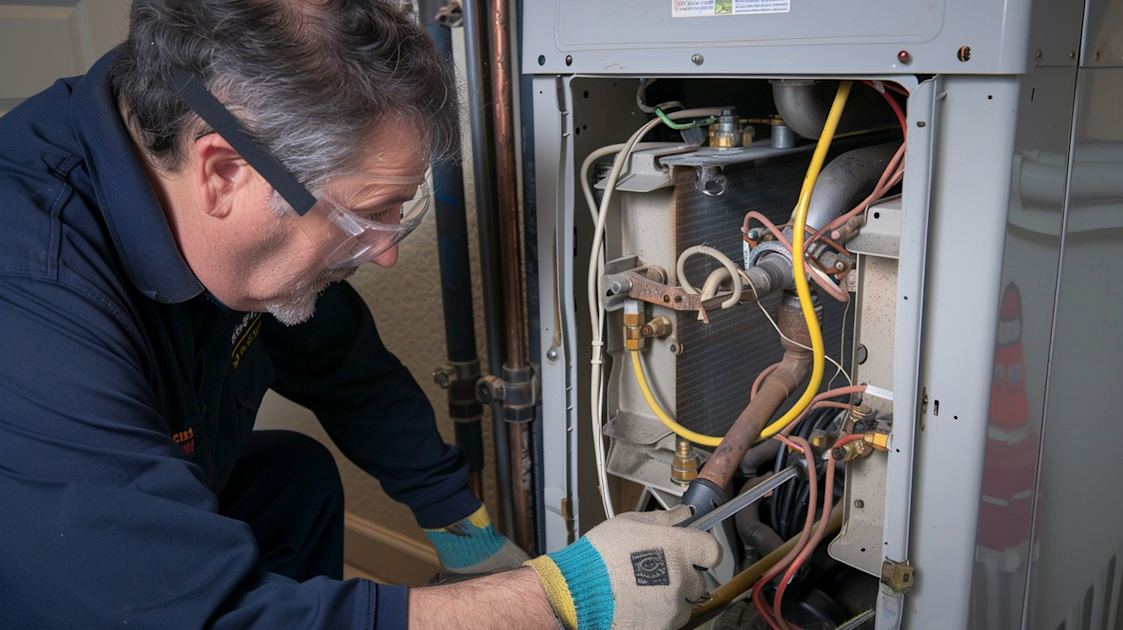


Gas furnaces are integral components of most homes, providing essential warmth during those frigid months. Unfortunately, like all mechanical systems, gas furnaces are prone to wear and tear. When they're not functioning optimally, it's critical to address the problem promptly to restore comfort and ensure safety. In this detailed guide, we'll explore everything you need to know about gas furnace repair, from identifying signs of trouble to performing routine maintenance.
What is a Gas Furnace?
A gas furnace is a heating system that uses natural gas or propane as fuel. It's a dependable and efficient way to warm your home, especially during winter. The system works by drawing in cool air, heating it with gas combustion, and then distributing the heated air throughout your home via ducts. Understanding how a gas furnace operates will help you diagnose problems more effectively.
Common Signs Your Gas Furnace Needs Repair
Recognizing the signs of a malfunctioning gas furnace can save you time and money. Here are some common indicators:
- Inconsistent Heating: If some rooms are warmer than others, your furnace might be struggling.
- Strange Noises: Banging, rattling, or squealing sounds can indicate mechanical issues.
- Frequent Cycling: If the furnace turns on and off frequently, it may be a sign of a thermostat problem or overheating.
- Unusual Smells: A burning smell could indicate dust build-up, while a sulfur-like odor might suggest a gas leak.
- Increased Energy Bills: A sudden spike in energy costs might be due to an inefficient furnace.
Diagnosing Gas Furnace Problems
Once you identify that there's a problem, the next step is diagnosis. Some basic troubleshooting can reveal the underlying issue. Check the following:
- Thermostat Settings: Ensure the thermostat is set to "heat" and is correctly adjusted.
- Filter Condition: A dirty filter can restrict airflow, causing the furnace to overheat.
- Pilot Light: Check that the pilot light is burning correctly.
- Power Supply: Ensure the furnace is receiving power and that circuit breakers are in the correct position.
Essential Gas Furnace Components
Understanding your furnace's components can aid in troubleshooting. Key parts include:
- Heat Exchanger: Transfers heat to the air distributed throughout your home.
- Burner: Where the combustion of fuel occurs.
- Blower: Circulates the heated air.
- Thermostat: Monitors temperature and controls furnace operation.
- Filter: Traps dust and debris, maintaining air quality and performance.
Routine Maintenance Tips
Regular maintenance can extend your furnace's lifespan and prevent costly repairs. Here's a checklist of maintenance tasks:
- Replace or clean air filters monthly during peak use.
- Inspect the blower and clean as needed.
- Check the pilot light and burners annually.
- Schedule professional inspections before the heating season.
DIY vs. Professional Furnace Repair
While minor repairs can be handled by the homeowner, some issues require professional expertise. Consider the following:
DIY Repairs
- Replacing air filters
- Adjusting the thermostat
- Relighting the pilot light
Professional Repairs
- Addressing gas leaks or strong odors
- Fixing electrical issues
- Replacing broken components like the heat exchanger
Safety Precautions
Safety should always be a priority when working with a gas furnace. Here are essential safety tips:
- Never attempt complex repairs without proper knowledge.
- Install carbon monoxide detectors in your home.
- Shut off the gas supply if you suspect a leak.
When to Replace Your Gas Furnace
Despite regular maintenance, every furnace has a lifespan. When repairs become frequent and efficiency declines, it might be time for a replacement. Typically, furnaces last 15-20 years; consider a new one if yours is beyond this range.
Selecting a Repair Professional
Choosing the right HVAC technician ensures your furnace receives quality service. Look for these criteria:
- Certification and licensing
- Positive customer reviews
- Transparent pricing
- Warranties on labor and parts
Eco-friendly Furnace Options
If replacement is necessary, consider eco-friendly alternatives. Modern furnaces offer higher efficiency and lower emissions, benefiting both your pocket and the planet.
Gas Furnace Repair FAQ
How often should a gas furnace be serviced?
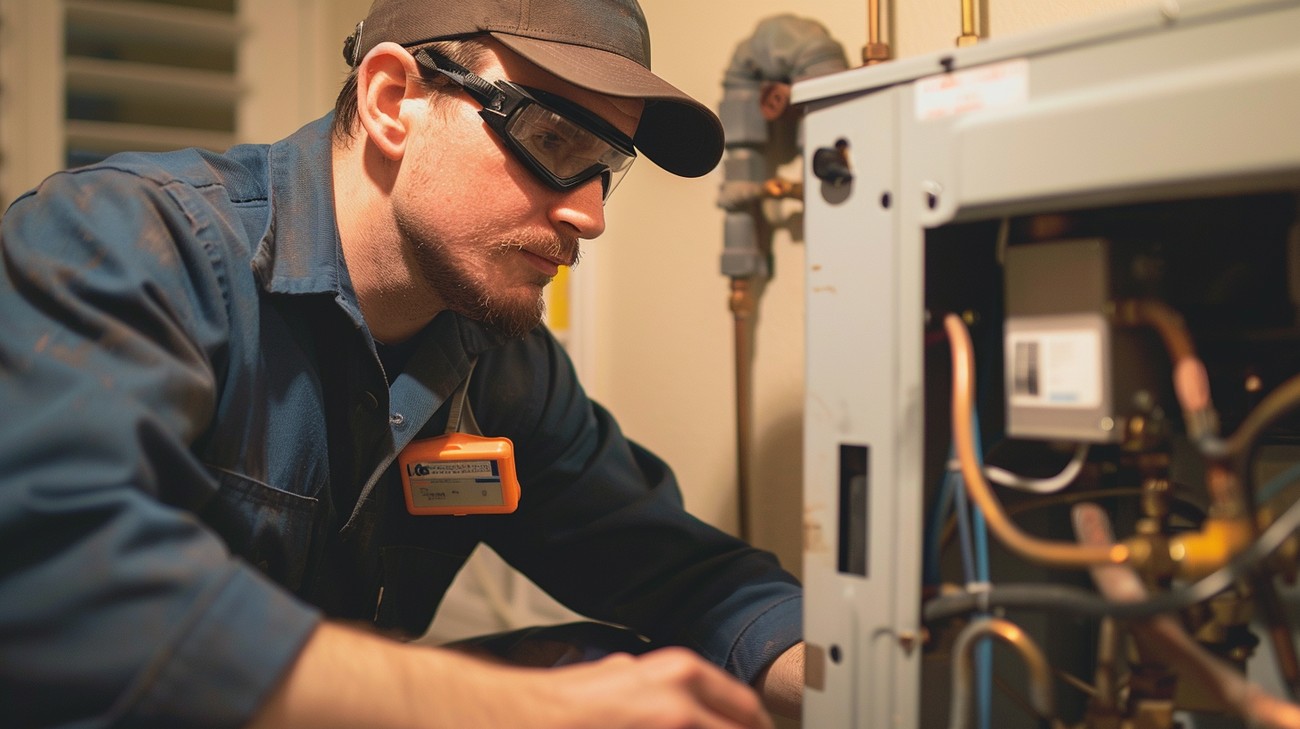
Regular maintenance is crucial to ensure your gas furnace operates efficiently and safely. It's generally recommended to have your gas furnace serviced once a year, preferably before the heating season starts. Annual maintenance helps in identifying any potential problems early, increases the longevity of your furnace, and ensures that it operates efficiently, saving you money on energy bills. When servicing your furnace, a technician will typically clean or replace filters, inspect the burner and flame sensor, and check the overall functionality of the unit.
What are common signs that a gas furnace needs repair?
Knowing the signs that indicate your gas furnace requires repair can prevent more significant issues down the road. Common signs include strange noises such as banging, clanging, or squealing, frequent cycling on and off, inadequate or uneven heating, a yellow pilot light instead of blue, and an increase in energy bills without a clear reason. If you notice any of these issues, it's wise to contact a professional as soon as possible to diagnose and fix the problem.
Can I troubleshoot my gas furnace before calling a professional?
Certainly! Before calling a professional for gas furnace repair, there are a few things you can check. Ensure that your thermostat is set to 'heat' and the temperature is set higher than the current room temperature. Check if the furnace's circuit breaker on your main electrical panel is switched on, and look for any tripped breakers. Examine the furnace filter and replace it if it's dirty, and make sure the pilot light is lit if you have an older model. Lastly, ensure that the furnace's power switch is turned on. If these steps don't solve the issue, it's time to call in the pros.
Should I repair or replace my gas furnace?
Deciding to repair or replace your gas furnace depends on several factors. Consider the age of the furnace; if it's over 15 years old, it might be more cost-effective to replace it with a newer, more efficient model. Evaluate the cost of repairs: if repair costs are more than 50% of the cost of a new furnace, replacement might be the better choice. Additionally, consider how often your furnace needs repairs. Frequent repairs could indicate that your furnace is nearing the end of its lifespan. Consulting with a trusted HVAC professional can provide insights specific to your situation.
Is it safe to repair my gas furnace myself?
While there are simple maintenance tasks you can do yourself, such as replacing filters and checking thermostats, repairing a gas furnace can be complex and potentially dangerous. Gas furnaces involve combustible fuels, and improper handling could lead to gas leaks or fires. For safety and efficiency, it's recommended to hire a licensed and experienced HVAC technician to perform any significant repairs or replacements. Their expertise ensures that the repair work complies with safety standards and codes.
How can I improve the efficiency of my gas furnace?
Improving the efficiency of your gas furnace can save you money and extend the life of your system. Start by scheduling regular professional maintenance to ensure all parts are in good working order. Replace or clean furnace filters monthly or as recommended by the manufacturer to improve airflow. Seal leaks in ductwork with duct tape or mastic sealant to prevent heated air from escaping. Additionally, consider installing a programmable thermostat to better control the heating schedule, which aligns with your family’s routine, ensuring the furnace is only active when needed.
What parts of a gas furnace typically need repair or replacement?
Over time, certain components of a gas furnace may require repair or replacement due to regular wear and tear. Common parts that might need attention include the blower motor, which circulates air through the system, the flame sensor or thermocouple, which is crucial for safe operation, and the heat exchanger, which can develop cracks and leaks over time. Other elements such as belts, bearings, and igniters can also wear out. Regular inspections and maintenance can identify these issues early, often before they lead to system failure.
How much does gas furnace repair typically cost?
Gas furnace repair costs can vary widely based on the problem's complexity, the part needing replacement, and your geographical location. Minor repairs, such as cleaning or replacing a dirty filter, can cost as little as $50 to $100. However, more extensive repairs, like replacing a blower motor or heat exchanger, can range from $500 to $1500 or more. It’s wise to obtain quotes from multiple HVAC professionals to ensure you’re getting a fair price, but always consider the technician’s experience and customer reviews as well.
Why is there a burning smell when I start my gas furnace?
A burning smell when you first start your gas furnace is not uncommon and often not a cause for concern. This odor is typically caused by dust that accumulates on the heat exchanger or inside the furnace during the off-season, burning off when you first turn the unit on. If the smell persists for more than a day or if you smell something like burning plastic or electrical parts, it’s crucial to turn off your furnace and contact a professional. Persistent odors can indicate an overheated furnace or a potential electrical issue.
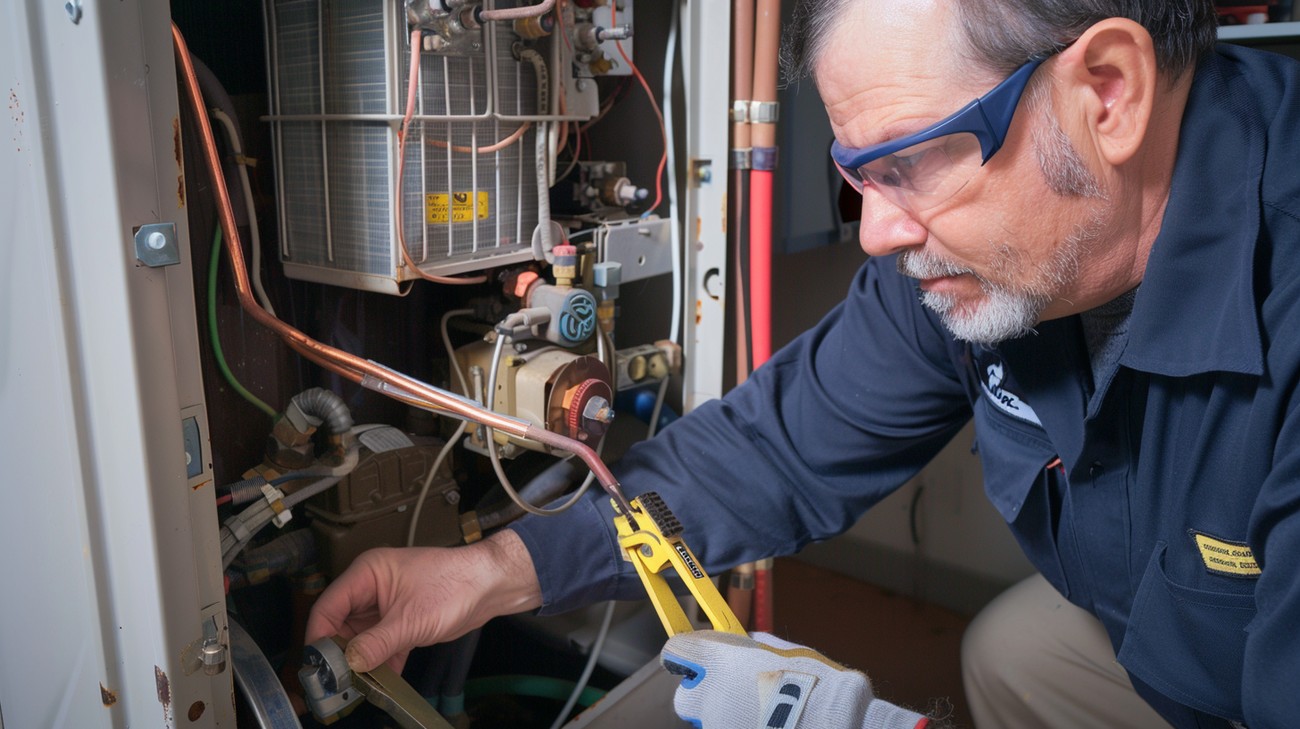
Troubleshooting Guide
1. Furnace Won’t Turn On
Symptoms: The thermostat is set to heat, but the furnace doesn’t start.
Likely Causes:
- Tripped circuit breaker
- Blown fuse
- Thermostat issues
- Pilot light out
Step-by-Step Fixes:
1. Check the Power: Ensure the furnace switch is on and check the circuit breaker. Reset if necessary.
2. Inspect Fuses: Replace any blown fuses.
3. Check the Thermostat: Make sure it’s set to heat and the temperature is correctly adjusted. Consider replacing the batteries.
4. Pilot Light: For older models, ensure the pilot light is lit. Relight it if it’s out, following the manufacturer's instructions.
When to Call a Professional: If after checking these, the furnace still won't start, you may have an electrical issue or faulty components that need inspection by a pro.
Prevention Tips: Regularly check your circuit breaker and fuse box. Replace thermostat batteries annually.
2. No Heat from the Furnace
Symptoms: Furnace runs, but there’s no or insufficient heat.
Likely Causes:
- Dirty air filter
- Closed or blocked vents
- Faulty thermostat
- Pilot light or ignition issues
Step-by-Step Fixes:
1. Check Air Filter: Replace if it’s dirty or clogged, typically every 1-3 months.
2. Inspect Vents: Ensure vents are open and unobstructed by furniture or curtains.
3. Check Thermostat Settings: Make sure settings are correct and the thermostat is functioning.
4. Ignition System: Consult the manual to troubleshoot and reset the ignition system.
When to Call a Professional: Persistent lack of heat can indicate deeper furnace issues like gas line problems or a failing heat exchanger.
Prevention Tips: Regularly change air filters and keep vents clear. Schedule annual furnace maintenance.
3. Furnace Cycles On and Off Frequently
Symptoms: Furnace starts, runs briefly, then shuts off repeatedly.
Likely Causes:
- Overheated system due to airflow restriction
- Faulty thermostat
- Dirty flame sensor
Step-by-Step Fixes:
Replace Air Filter: A blocked filter can cause overheating.
Inspect Flame Sensor: Clean with fine sandpaper if dirty to ensure it detects the flame.
Thermostat Location: Ensure the thermostat isn’t in a location causing frequent cycling (e.g., near heating sources).
When to Call a Professional: If these fixes don’t resolve the issue, you might have a more serious problem like a malfunctioning limit switch.
Prevention Tips: Regularly replace filters, and keep sensors clean. Ensure thermostat placement promotes accurate readings.
4. Strange Noises from the Furnace
Symptoms: Banging, rattling, or squealing sounds.
Likely Causes:
- Loose parts or panels
- Worn blower motors
- Dirty burners
Step-by-Step Fixes:
1. Tighten Components: Check for and tighten any loose screws or panels.
2. Inspect Blower: Listen for blower motor issues and lubricate or replace if necessary.
3. Clean Burners: Ensure burners are clean and properly adjusted.
When to Call a Professional: Unusual noises could indicate mechanical failures needing expert attention.
Prevention Tips: Regular maintenance checks help spot loose parts or worn components early.
5. Pilot Light Keeps Going Out
Symptoms: Pilot light does not stay lit, extinguishes repeatedly.
Likely Causes:
- Dirty or faulty thermocouple
- Drafts
- Gas supply issues
Step-by-Step Fixes:
1. Clean Thermocouple: Gently clean the thermocouple to ensure it functions properly.
2. Check for Drafts: Ensure the area around the furnace is not prone to drafts.
3. Inspect Gas Supply: Verify that the gas supply is steady and adequate.
When to Call a Professional: Persistent pilot light issues may involve complex repairs best handled by professionals.
Prevention Tips: Keep the area around the furnace clean and inspect thermocouples regularly.
6. Furnace Blower Runs Constantly
Symptoms: Blower doesn’t shut off even when heating cycle ends.
Likely Causes:
- Thermostat fan setting
- Limit switch issue
Step-by-Step Fixes:
When to Call a Professional:
A continually running blower can significantly drive up energy costs; call a pro if the limit switch needs replacing.
Prevention Tips: Familiarize yourself with thermostat settings and conduct regular inspections for proper switch operation.

Final Thoughts
When it comes to gas furnace repair, understanding the common issues and recognizing when to call for help can save you time, money, and a lot of frustration. Regular maintenance checks are essential to keep your system running smoothly, especially during those chilly Sacramento, CA winters when you rely on your furnace the most. Being proactive about addressing unusual noises or inconsistent heating can make all the difference in ensuring your home stays comfortable.
If you find yourself in need of assistance, we’re here to help. At AirFlow Heating & Air, we specialize in gas furnace repair and can provide the expert service you deserve. Whether it's a simple fix or a more complex problem, don’t hesitate to reach out to us to schedule a consultation or request a free estimate. We look forward to keeping your home cozy and warm!


