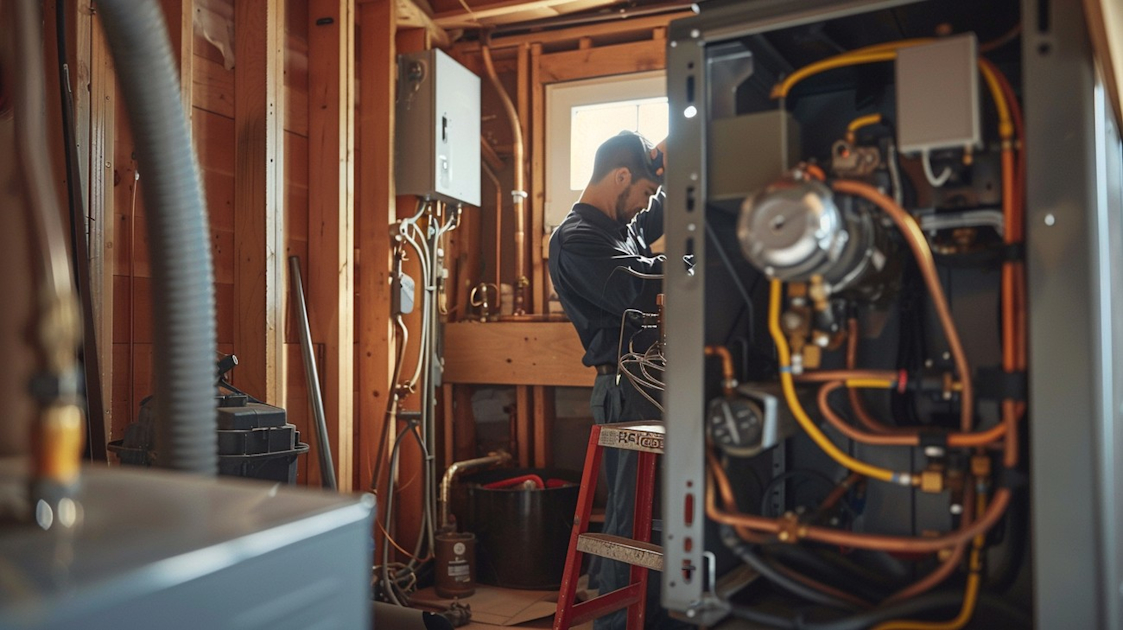


Replacing a furnace is a significant investment every homeowner needs to consider at some point. Being well-informed about the various components influencing furnace replacement costs can help you make a sound decision. This guide delves into every aspect of furnace replacement to assist you in understanding what to expect.
Factors Influencing Furnace Replacement Cost
When you decide to replace your furnace, you will find that costs can vary widely. Here are the primary factors that determine the replacement cost:
- Type of Furnace: The type of furnace you choose has a substantial impact on the overall cost. Common types include gas, electric, oil, and propane furnaces. Each type has its price range, with electric furnaces typically being the least expensive, while propane furnaces can be on the higher end.
- Furnace Size and Capacity: The size of the furnace needed for your home depends on its square footage. A larger, more powerful furnace will cost more. Using British Thermal Units (BTUs), a professional can calculate the right size for your home to ensure efficiency without overspending.
- Energy Efficiency: High-efficiency furnaces often come with a higher upfront cost but can save money over time. Look for furnaces with a high Annual Fuel Utilization Efficiency (AFUE) rating, as they convert a greater portion of fuel into heat.
- Installation Complexity: The complexity of installation affects labor costs. Simple replacements where minimal changes to the ductwork or exhaust system are required are generally less expensive than upgrading and restructuring your home's heating system.
- Location and Climate: Your geographic location influences both the type of fuel that's most economical and your installation costs. Different climates require different energy outputs, which also affect the choice and cost of a furnace.
Breakdown of Furnace Replacement Costs
Here's a more detailed breakdown of costs associated with furnace replacement:
- Furnace Unit: The actual furnace ranges from $1,500 to $6,000, depending on type and efficiency.
- Installation Labor Costs: Installation can add between $1,500 to $3,000 to the total cost.
- Permit Fees: Many areas require permits for furnace installation, which can range from $50 to $500.
- Ductwork Modifications: If your existing ductwork needs modifications to fit the new furnace, this can add an additional $500 to $3,000, depending on complexity.
- Additional Features: Features such as air purifiers, humidifiers, or advanced thermostats can also add to the cost.
Choosing the Right Furnace
Selecting the right furnace requires balancing upfront costs with long-term savings. Consider the following tips:
- Evaluate Your Needs: Assess your heating requirements based on the size of your home and the local climate.
- Consult Professionals: Seek advice from HVAC professionals who can provide recommendations tailored to your specific situation.
- Research Brands and Models: Look for models with a reputation for reliability and efficiency.
- Consider Financing Options: If the upfront cost is challenging, investigate financing through your HVAC dealer, which can make payment more manageable.
Benefits of Furnace Replacement
Replacing your furnace comes with several benefits beyond just improved heating:
- Enhanced Efficiency: New furnaces are more efficient, which can lower your energy bills and reduce your carbon footprint.
- Improved Comfort: With better heat distribution and advanced technology, new furnaces can provide more consistent and comfortable temperatures throughout your home.
- Increased Home Value: A new furnace can be an attractive selling point if you're considering selling your home.
Installation Process Overview
Understanding what to expect during the installation process can ease some of the stress associated with furnace replacement. Here's a quick rundown:
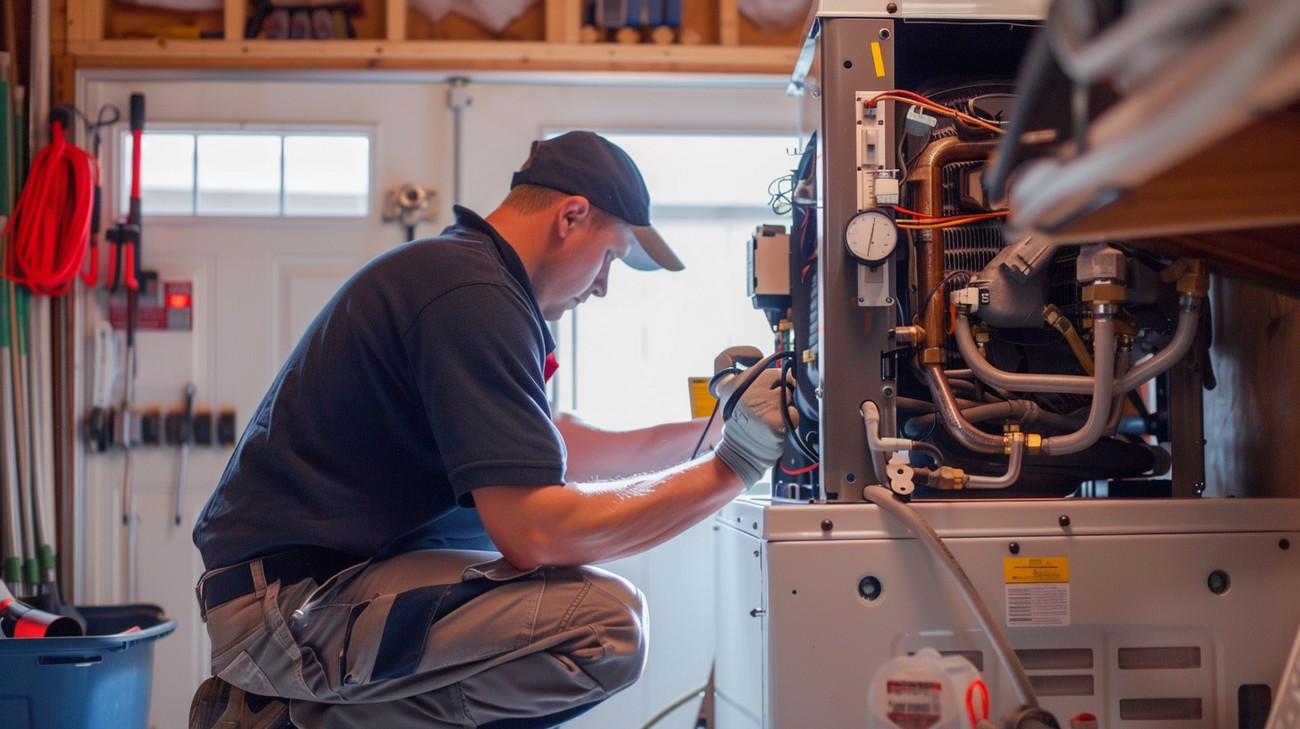
- Initial Consultation: A professional assesses your current system and provides a quote.
- Removal of Old Furnace: The old furnace is carefully disconnected and removed.
- System Evaluation and Preparation: The HVAC technician evaluates and prepares the ductwork and other system components for the new furnace.
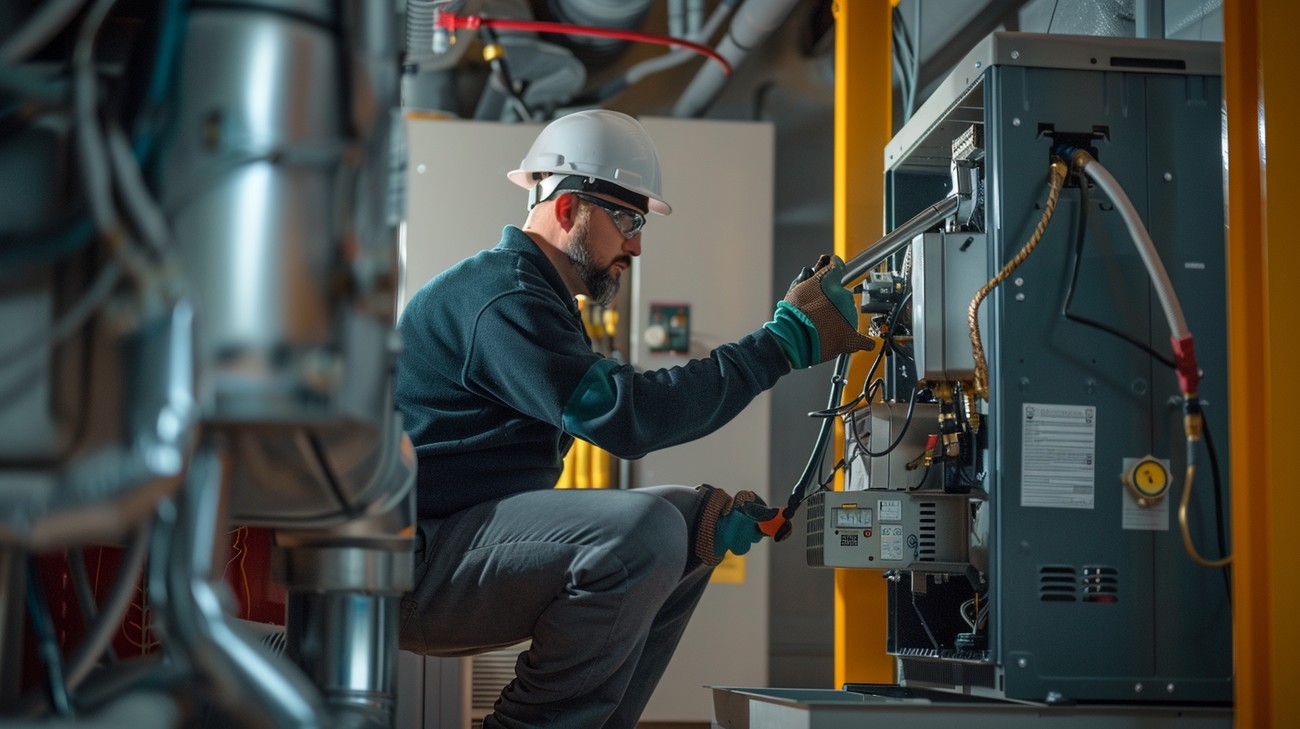
- Installation: The new furnace is installed, ensuring all connections are secure and the system is operational.
- Testing and Adjustments: Post-installation, the system is tested to ensure optimal operation and any necessary adjustments are made.
FAQ Section on Furnace Replacement Cost
How much does a furnace replacement typically cost?
Furnace replacement costs can vary significantly based on a range of factors, including the type and size of the furnace, the complexity of the installation, and your geographic location. On average, the cost can range from $2,500 to $7,500, including both materials and labor. High-efficiency furnaces or those with advanced features might tip the scale toward the higher end of this range, while basic models might be more affordable. It's essential to solicit multiple quotes from reputable contractors to get an accurate estimate for your specific needs.
What factors influence furnace replacement cost?
Several factors can influence the cost of replacing a furnace. These include the size and type of the unit you choose (e.g., gas, electric, oil), energy efficiency ratings, and any additional features or technology. Installation complexity is another factor; if ductwork modifications or other adjustments are required, they can add to the overall cost. Additionally, the local market conditions and labor costs in your area can impact the final price you pay for furnace replacement.
Is it more cost-effective to repair or replace my furnace?
Deciding whether to repair or replace your furnace depends on several factors, such as the age of your current unit, its efficiency, and the costs of the repairs needed. Generally, if your furnace is over 15 years old, frequently breaks down, or has major components that need repair, replacement might be more cost-effective in the long run. A new furnace can lower energy bills due to better efficiency and might come with a warranty that saves on future repair costs. However, if your furnace is relatively new and the repair costs are minor, repairing might be more economical.
Do energy-efficient furnaces really save money in the long run?
Yes, energy-efficient furnaces are designed to save you money over time. Although the initial furnace replacement cost for a high-efficiency unit may be higher, these models consume less fuel and decrease energy bills significantly. They operate more effectively by utilizing modern technology that reduces waste. Over several years, the savings on monthly utility bills can offset the higher upfront cost, making high-efficiency furnaces a financially sound investment.
Can I finance my furnace replacement cost?
Many homeowners opt for financing to cover their furnace replacement costs. Numerous HVAC companies offer financing options through third-party lenders, sometimes with special promotional rates. Additionally, some manufacturers provide their own financial solutions to make purchasing their systems more feasible. When considering financing, review the terms carefully, including interest rates and payback periods, to ensure it fits your budget.
How can I reduce my furnace replacement cost?
To minimize furnace replacement costs, start by shopping around and getting quotes from several qualified contractors to ensure competitive pricing. Consider installing during the off-season, as companies might offer discounts or promotions. Additionally, check for rebates or tax incentives associated with high-efficiency units, which can reduce overall costs. Finally, inquire if the contractor has scrappage programs where they buy back old units.
Is it necessary to replace my ducts when replacing a furnace?
Not necessarily, but it's essential to have your ducts inspected during a furnace replacement to ensure they are in good condition and appropriately sized for your new furnace. If your ductwork system is leaky, poorly insulated, or unable to handle the airflow of a new furnace efficiently, it may need upgrades or repairs. Properly working ducts are crucial for the efficiency and performance of your new heating system.
What should I look for in a contractor when replacing my furnace?
Choosing the right contractor is crucial for a successful furnace replacement. Look for professionals with proper licensing and insurance, significant experience in the industry, and good reviews from previous customers. It's also beneficial to choose a contractor who offers warranties on their work, as it provides added security regarding the quality of installation. Request detailed quotes and ensure they include all aspects of the job, from equipment to labor, to avoid unexpected costs.
How long does it take to replace a furnace?
The time it takes to replace a furnace can vary based on the complexity of the installation and any additional work required (like ductwork adjustments). Typically, a straightforward furnace replacement might take a day. However, if the installation requires new ductwork or significant modifications, it could extend to two or more days. Discuss the project timeline with your contractor beforehand to understand how long your specific replacement will take.
Cost Breakdown
Typical Price Ranges
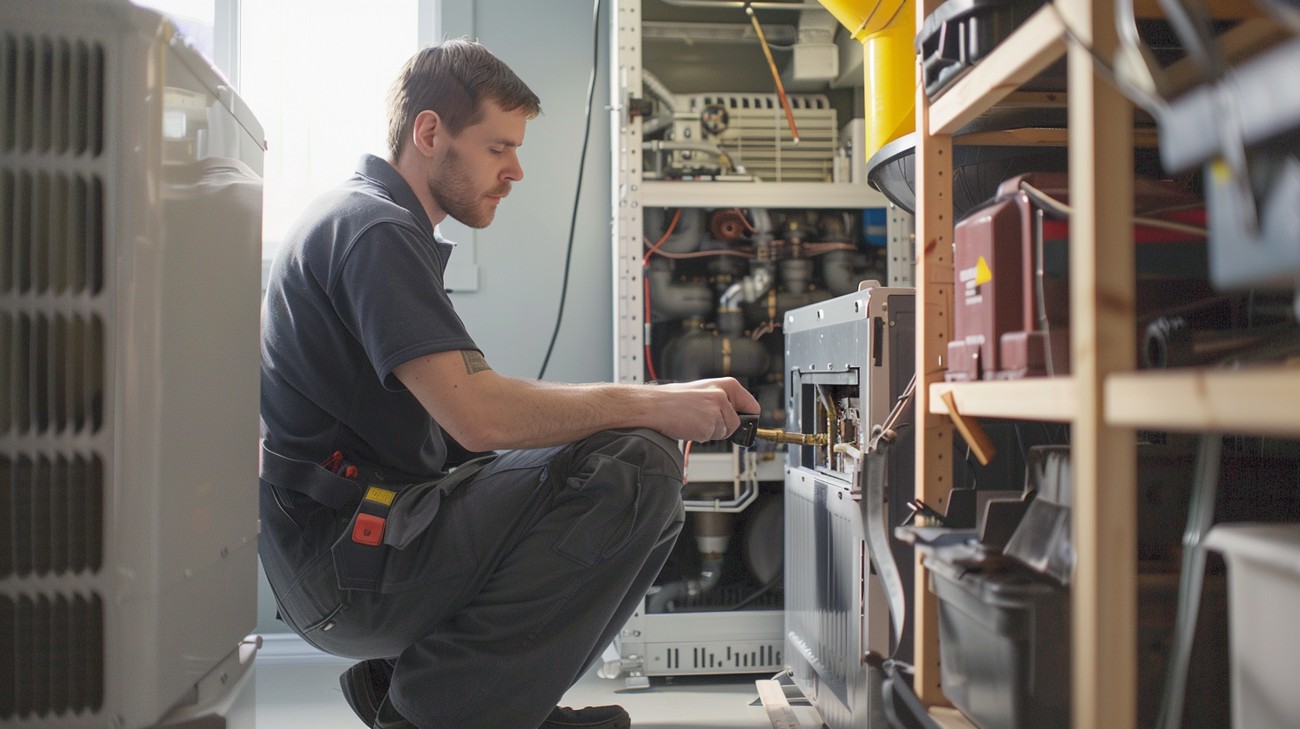
The cost of replacing a furnace typically ranges between $2,500 and $7,500, including both the unit and professional installation. Here's a quick breakdown:
- Natural Gas Furnace: $3,000 - $6,000
- Electric Furnace: $2,000 - $4,000
- Oil Furnace: $4,000 - $7,000
- High-Efficiency Models: Can exceed $7,500
These ranges can fluctuate based on the specifics of your home and your geographic location.
Factors That Affect Cost
Several variables influence the overall expenditure:
- Furnace Type: Natural gas furnaces are popular due to their efficiency, but electric furnaces are sometimes cheaper upfront. Oil furnaces, while powerful, usually cost more.
- Efficiency: High-efficiency models have higher initial prices but offer savings on energy bills over time, which might appeal to eco-conscious homeowners.
- Home Size: Larger homes require more powerful units, which cost more than those for smaller spaces.
- Installation Complexity: If your ductwork needs replacing or adjusting, this can increase the labor costs significantly.
- Brand and Model: Different brands come at different price points. More renowned brands with better warranties might cost more upfront but offer peace of mind.
- Location: Urban areas or regions with high living costs may see higher installation rates.
Cost Comparison: Budget vs Premium Options
In the market for furnaces, you'll find options at every price point.
- Budget Options: Basic-efficiency gas or electric furnaces range from $2,500 to $3,500. These models get the job done but might lack advanced features and efficiency ratings.
- Premium Options: Expect to shell out $5,000 to $7,500 for top-of-the-line systems. They boast higher efficiency, quieter operation, and longer warranties.
Choosing between these largely depends on your priorities for energy efficiency, your climate, and how long you plan to stay in your home.
Hidden Costs to Consider
When budgeting for a furnace replacement, it's crucial to consider potential hidden costs:
- Ductwork Repairs or Modifications: Adjusting or replacing ductwork can add $500 to $3,000.
- Permits: Some areas require permits for furnace replacements, which can cost $50 to $300.
- Old Unit Removal: Disposing of your old furnace might add another $50 to $200.
- Maintenance Plans: Post-installation maintenance can be an additional $150 to $500 annually, but it keeps your warranty valid and prolongs the system's life.
Ways to Save Money
Saving on furnace replacement doesn't mean cutting corners. Here are some practical tips:
- Shop Around: Get quotes from multiple contractors to ensure competitive pricing and avoid overpaying.
- Seasonal Discounts: Consider replacing your furnace in the off-season, like spring or fall, when demand is lower and discounts are more common.
- Rebates and Tax Credits: Check for available rebates from manufacturers or utility companies, which can sometimes reduce costs by several hundred dollars. Energy-efficient models might also qualify for federal or state tax credits.
- Regular Maintenance: While this is an added cost, maintaining your system can prevent costly repairs down the line.
Final Thoughts
Understanding the factors that influence furnace replacement cost is essential for making informed decisions about your home's heating needs. While it may seem daunting at first, a little research can empower you to choose the right equipment and service to fit your budget, especially when considering options specific to our climate in Sacramento, CA.
If you're thinking about replacing your furnace, we at AirFlow Heating & Air are here to guide you through the process. Our team is dedicated to helping homeowners navigate their options, ensuring you get a fair estimate and the best possible installation. Feel free to contact us today to schedule a consultation or request a free estimate—we're here to help you stay warm and comfortable all winter long!


